 Wednesday, 24 December 2025
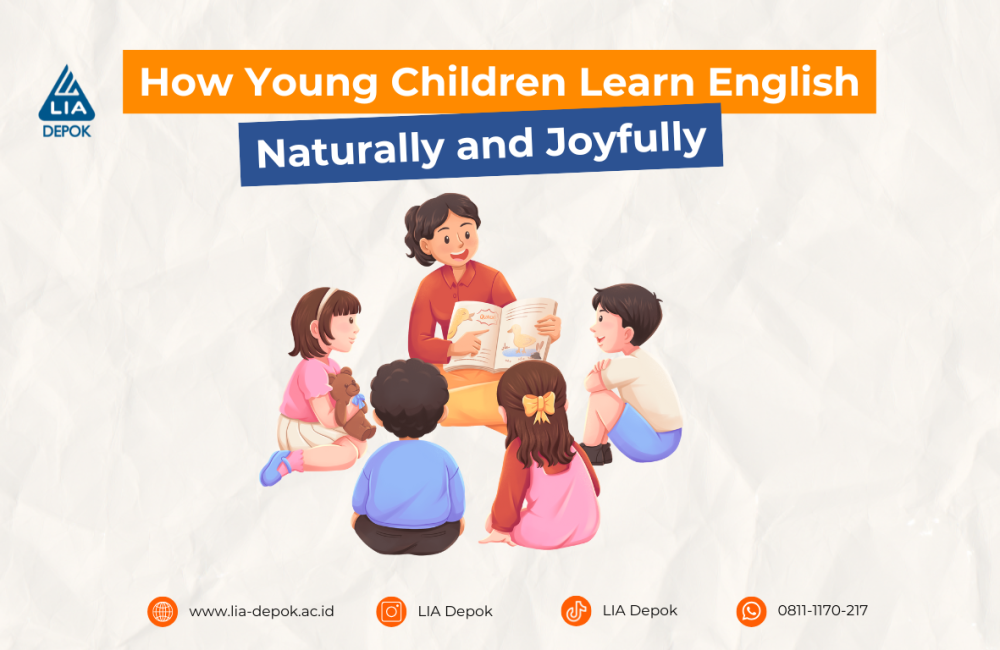
Have you ever noticed how easily young children repeat new words, songs, or funny sounds—again and again—without getting tired? For children aged 4–10, language learning does not happen through memorization or grammar rules. It happens naturally, through play, curiosity, and everyday interaction.
Understanding how children learn a second language can help parents and educators support them in ways that feel enjoyable, not stressful.
- Learning Through Meaningful Interaction
Young children learn language by connecting words to actions and experiences. When they hear “Let’s clean up” while putting toys away, or “Time for snack” before eating, they understand meaning through context. Daily routines, playtime, and simple conversations offer rich opportunities for language exposure—far more effective than worksheets or drills.
- Mixing Languages Is Normal
Many parents worry when children mix languages in one sentence. This is a natural stage called code-switching. It shows that children are actively using all the language resources they have. Rather than confusion, it reflects flexibility and growth. With time and continued exposure, children learn when and how to separate languages appropriately.
- Mistakes Are Part of the Process
Children are not afraid to try—even when they are not sure. Expressions like “She go school” are signs that a child is experimenting with language patterns. Instead of correcting every mistake, adults can model the correct form naturally. A safe, encouraging environment helps children speak more—and speaking more leads to faster progress.
- Imitation and Play Make Learning Stick
Children learn English by copying sounds, rhythm, expressions, and phrases they hear in stories, songs, and conversations. Through games, role-play, and storytelling, English becomes meaningful and fun. When learning feels like play, children repeat language willingly and confidently.
- Small Steps, Every Day
Short, regular exposure to English is more effective than occasional intense lessons. Just 10–15 minutes a day of consistent interaction can build strong language foundations over time.
At LIA Depok, our General English for Young Learners program is designed around how children naturally learn—through play, interaction, and positive guidance. If you’re looking for a supportive English learning environment for children aged 4–10, our team will be happy to share more information.